
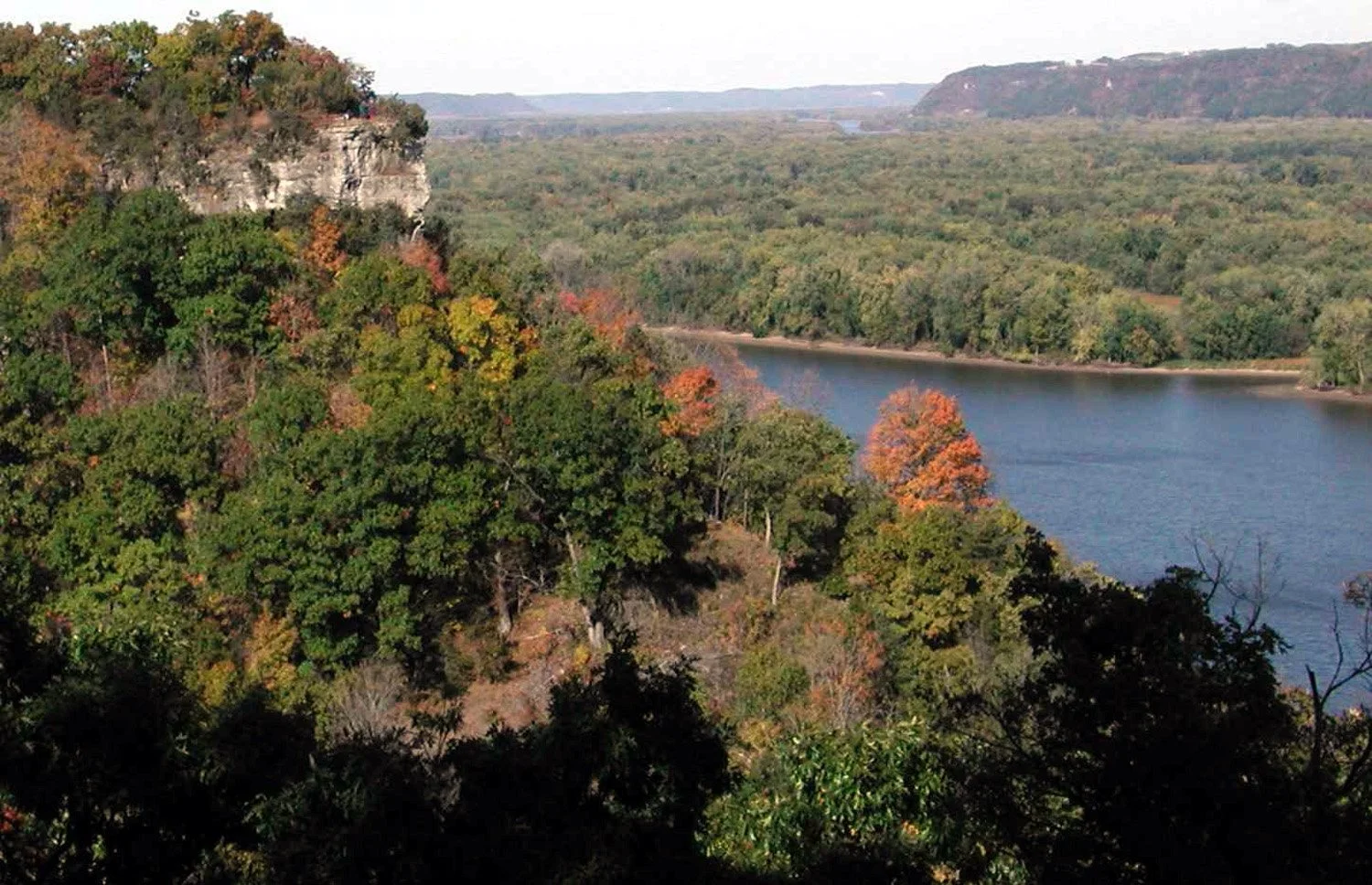
Iowa Water is at Risk
Everyone depends on clean water, whether it’s for drinking, fishing, swimming, farming, or enjoying the outdoors. The Clean Water Act protects the waterways that sustain our way of life. But all of that is at risk.
Iowa has enough water pollution already.
We cannot afford to make things worse. Here’s why water protections matter, and what you can do to help.
What Is the Clean Water Act?
The Clean Water Act is the main federal law that protects America’s waters. After environmental disasters caused public outrage, Congress passed bipartisan legislation more than 50 years ago to:
Limit pollution going into rivers, lakes, wetlands, and streams
Protect water used for drinking, recreation, and farming
Help restore waters that have already been polluted
Because of the Clean Water Act, many rivers across the country are cleaner and safer than they were decades ago. The Mississippi and Missouri Rivers were once plagued with industrial waste, sewage, and bacteria, that the law has since reined in. But this critical legislation is now under attack, with this administration shrinking the number of waterways under protection, gutting checks and balances that give states a voice, and cutting funding to the environmental police who hold polluters accountable.
Why Iowa’s Water is Particularly Vulnerable
As America’s breadbasket and home to millions of people, Iowa’s water quality is critical, but it is also vulnerable. We have the second highest cancer rates in the country, partly due to persistent water pollution and new threats, problems that could get worse if federal rollbacks go through.
Lost Wetlands
Often called “nature’s kidneys,” wetlands filter pollution, soak up floodwater, protect drinking water, and provide homes for wildlife. Iowa has already lost 95% of its historic wetlands to make room for farming and development. Protecting our remaining wetlands is critical.
The Supreme Court’s Sackett decision removed protection from many wetlands and small streams, and the Trump Administration’s push to redefine “water of the United States” would remove even more. We need leaders to step up and protect wetlands for filtration, flood prevention, and biodiversity.
Industrial Polluters
Legacy industrial pollution plagues Iowa communities from old coal plants, landfills, and other hazardous waste sites. Iowa has 19 coal plants with large coal ash deposits that can leak heavy metals and radioactive substances, plus 13 superfund sites that are high priority for federal cleanup.
Unfortunately, this administration is cutting superfund cleanup money and trying to roll back coal ash rules. That means more toxic water for Iowans.
Livestock waste, fertilizer, & pesticides
While nitrogen and phosphorus from manure are important for plants to grow, they can be dangerous in high levels in our water, raising cancer risks or fueling toxic green algal blooms. Pathogens like E. coli, salmonella, and other dangerous bacteria in waste can also sicken people and pets. Despite promises to curb dangerous herbicides and pesticides, the President issued an executive order to boost production instead.
What Can We Do About It?
Tell your lawmakers not to weaken the Clean Water Act. Click here to send a letter to your Congressional Representatives and Senators.